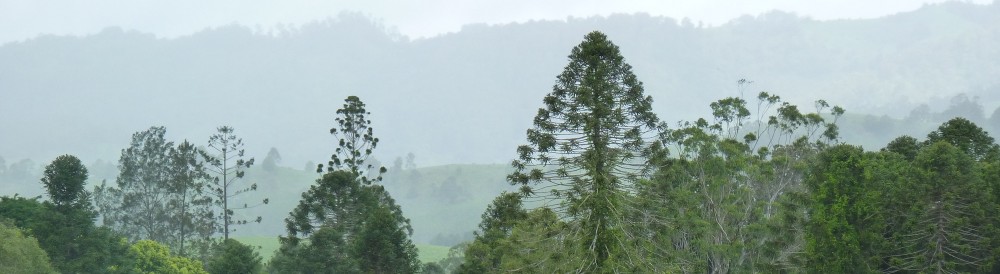
Being retired means that you do less work. Our 30 acres will not be used for the grazing of animals that we might encourage to breed so that we can sell their children for money. Nor will it be used to grow things for sale, even at a grower’s market. But I like having animals around, enjoy growing things and I don’t want to spend my life slashing the approximately 20 acres that are pretty much bare of trees. Come in Land for Wildlife.
Land for Wildlife is a voluntary conservation program run through our local council aimed at encouraging landowners to manage their land to maintains or create habitat for native wildlife. The deal is that you need to have at least 1 hectare that is native bush that you are prepared to manage that land to encourage and protect wildlife. The program started in Victoria in the 80’s and made it to Queensland in 1998. There is a small grants program attached to it but the main interest for us is assistance with plant and animal identification and the advice we might receive.
One difficulty we have faced since making the move to SE Queensland is that the vegetation is different from that in the Northern Territory where we knew a little more. There are obvious similarities but there is a lot to learn. The climate is different and we have hills here.
Obviously, to encourage native wildlife you need native vegetation and the most important criterion in being approved for entry to this program is to have plenty of this stuff and rather less of the weeds/introduced vegetation so common in this area of Queensland. The assessment of our block was conducted by an officer of the local council whose knowledge was encyclopaedic. We had no idea what to expect. We figured a quick look around would result in advice about getting rid of the weeds that are the highest priority, perhaps areas that might be re-vegetated and some sort of timetable or action list that we might follow to have the place admitted to the program.
The Council officer was a credit to the breed. He spent over 5 hours with us explaining the program and discussing what we were planning but, for most of the time, walking the block and talking about what was there, what to keep and what should go.
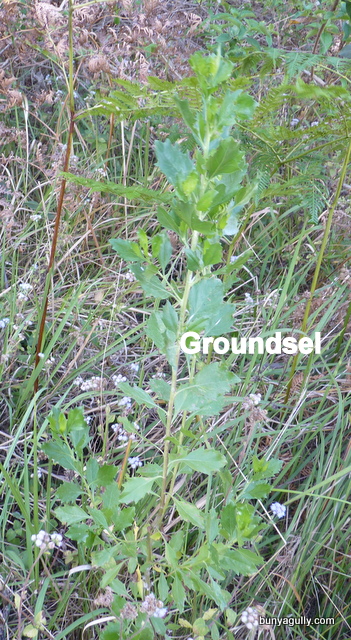
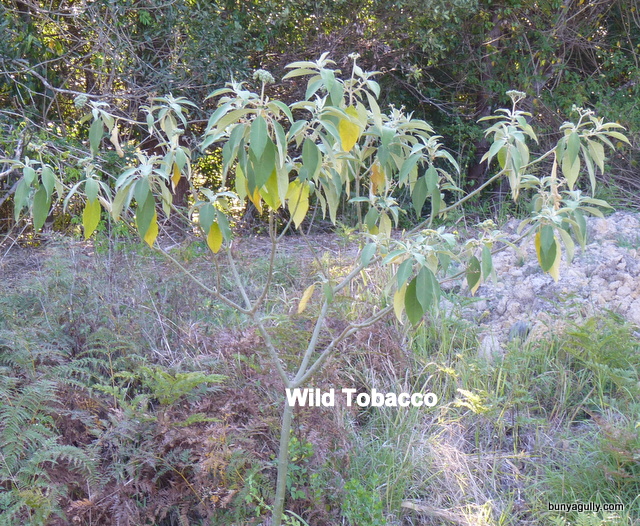
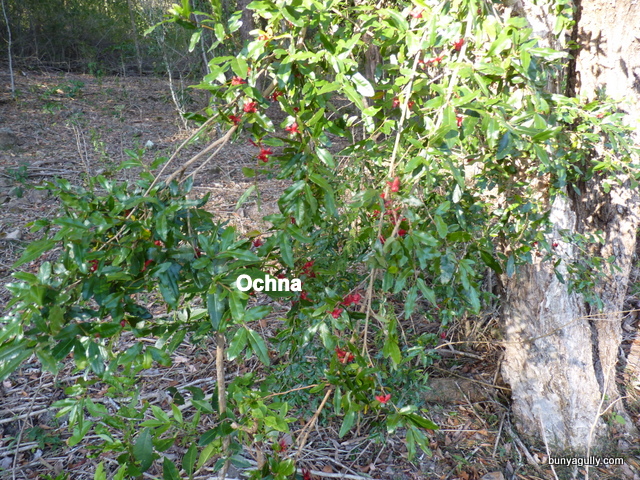
It all started pretty badly. Walking away from the shed and along the first of the gullies it seemed that the only plants he identified were weeds. Camphor laurels (cinnamomum camphora), privet (ligustrum sinense), broad leafed privet (Ligustrum lucidum), wild tobacco (Solanum mauritianum), Ochna (Ochna serrulata), lantana (Lantana camara), mistflower (argeratina riparia) and Groundsel (Baccharis halmifolia) among many others. And just for those who are perhaps unaware, most of these grow into large to very large trees. Hand pulling of some of these weeds is not the easy option.
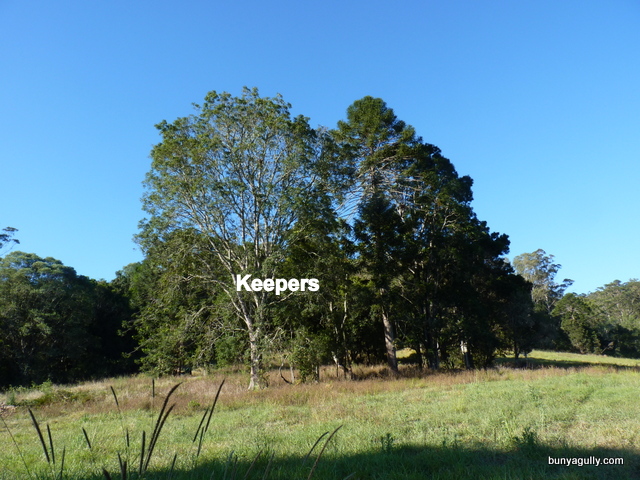
As we worked our way around the block we did start to identify some non-weeds. I wont go through them all mostly because I was so pleased that there were some keepers that I promptly forgot most of their names. A few that I remember are the Soap Tree or Red Ash (Alphitonia excelsa), Sandpaper fig (Ficus opposita), Flooded Gum (Eucalyptus Grandis), Tallowood (Eucalyptus microcorys), a number of melealeucas, acacias and boxes and, of course the many, many Bunyas (Auricaria Bidwilli).
In due course, and perhaps not that soon given that there are not that many resources applied to this program, we will receive from the Council officer a full list of the native vegetation and the weeds identified on the walk around. This will give us a list that we can use to consider any re-vegetation areas as well as a weed removal program.
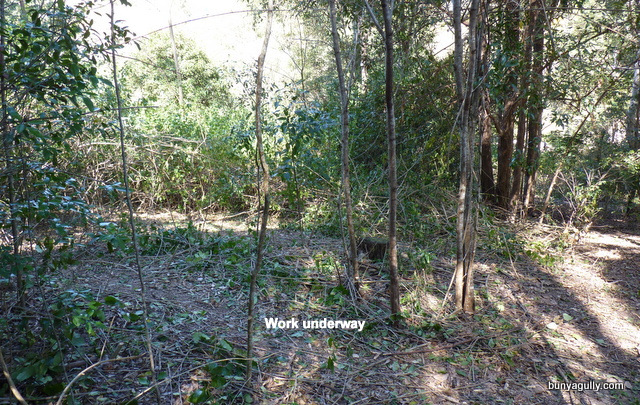
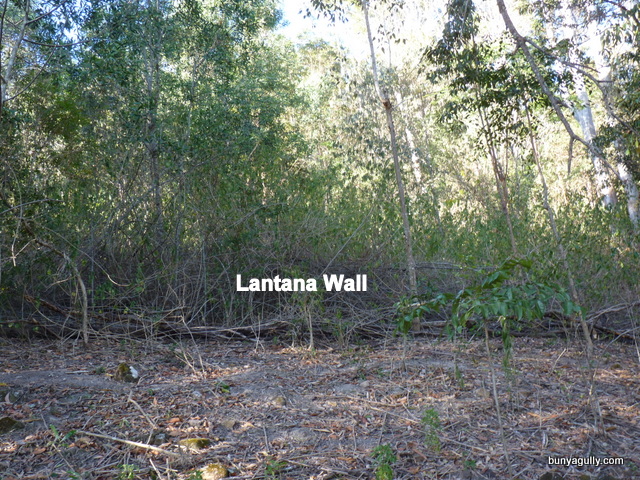
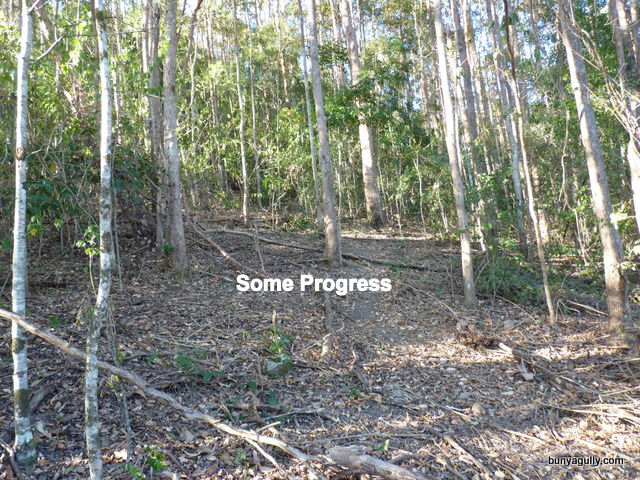
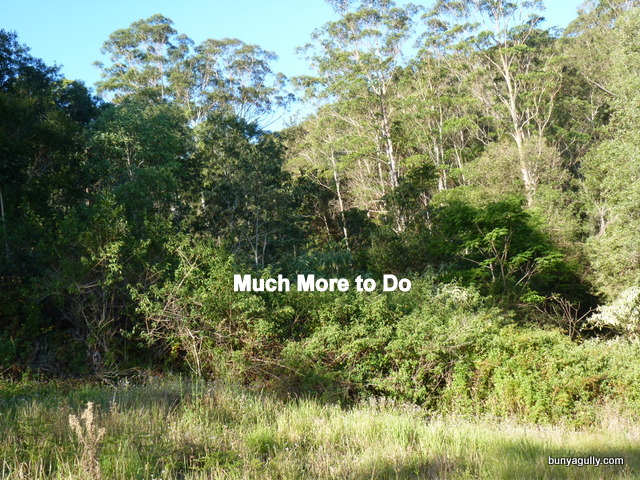
When we made it into the lantana infested bush area on the hill things became more interesting and even a bit exciting. There were weeds here too but they were having to battle for supremacy with the native vegetation. In the upper reaches of the highest gully we found some rainforest species including mature cordylines that weren’t necessarily expected in this area. The Council bloke’s eyes lit up and he started to talk about how much better it would be if we had the lantana, ochna and privet under control. He also talked about us possibly needing help on this, but I ignored that. Weeds on the hill are now a key priority.
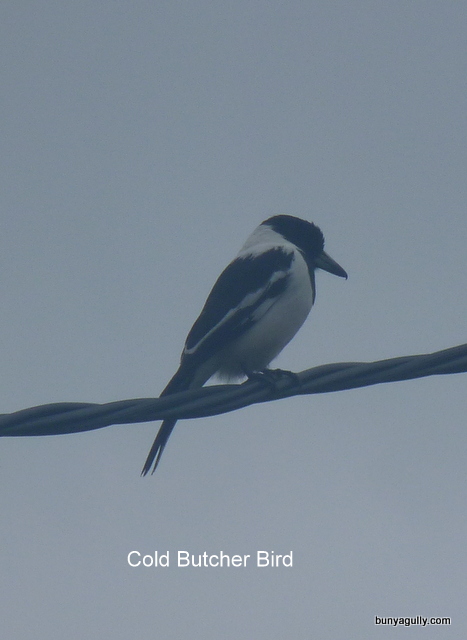
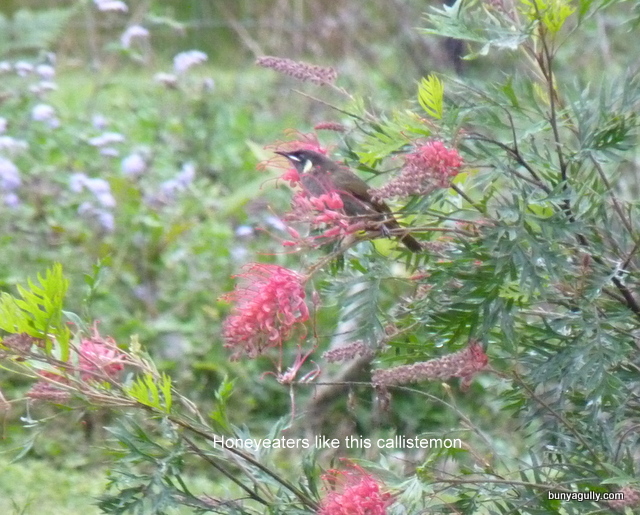
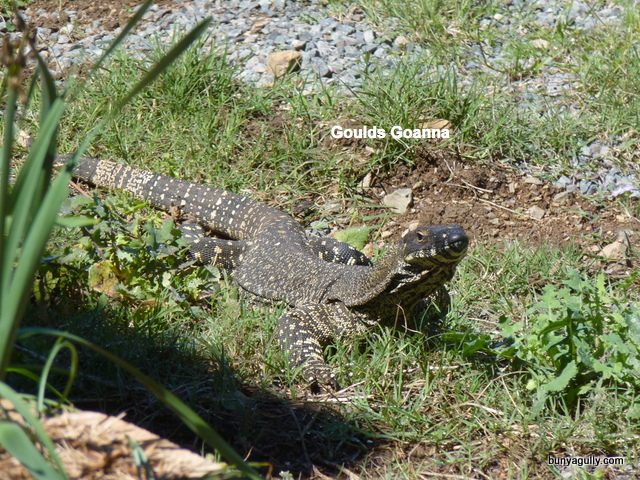
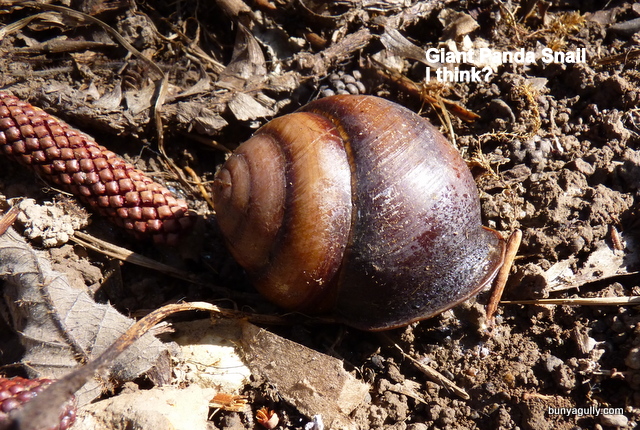
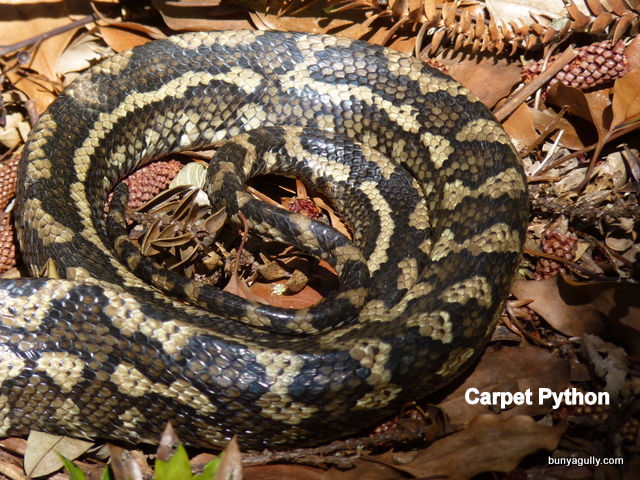
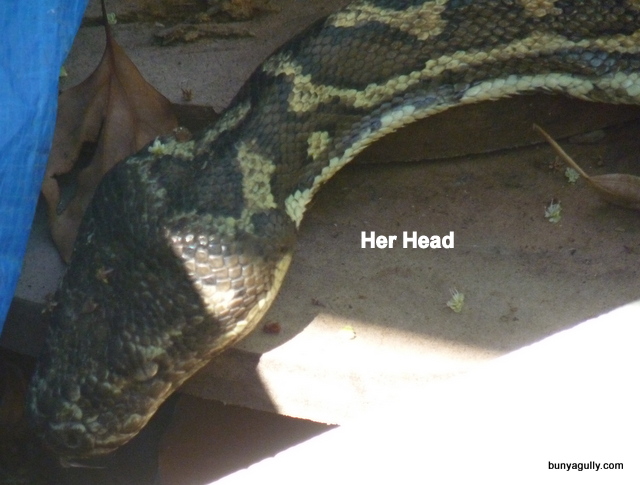
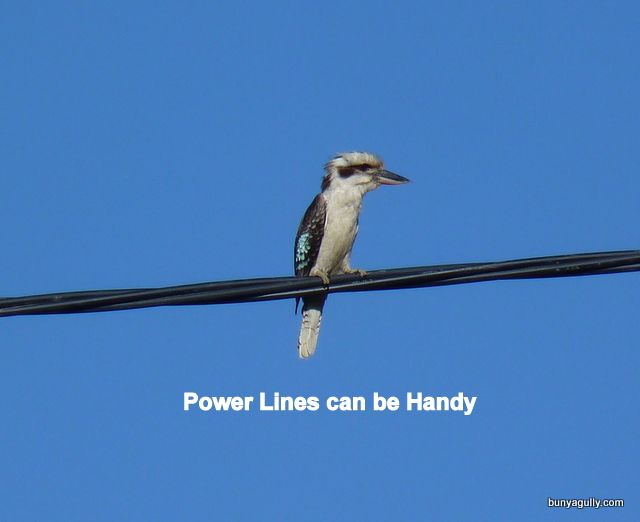
As for the wildlife we seem to have plenty of the common ones – wallabies, carpet pythons, red bellied black snakes, a pair of black-shouldered kites, kookaburras, whip birds, willie wagtails, pied butcher birds, brown cuckoo doves, red backed fairy wrens and a variety of other wrens. Perhaps bell birds but I haven’t seen them, just heard the call. There is a chance that we could have koalas because we have some of the trees they like but, so far, we have not spotted the signs. There are signs of a large dog and there is a feral black cat that requires action.
When I get the time I will try to have a more rigorous go at properly identifying what we have hanging around. We will also build and install some nesting boxes. There aren’t enough old trees with nesting hollows to meet the needs of sugar gliders and the variety of birds who use such places. But the number one priority is the weeds.
Oh, and I should say that we were approved for the Land for Wildlife program on the spot and have a sign that will, eventually, be nailed to our new front gate – when I finally get that sorted.
 bunyagully
From memory you’ve also got the beginnings of a very fine Moreton Bay Fig…
Well it must be satisfying that there is a good base of native vegetation to work from. Good luck with the weed removal.